
Power washing can be an excellent way to refresh the look of your home, but it's not just about getting everything squeaky clean—it's about doing so safely. Before you grab that power washer and start blasting away dirt and grime, it's essential to understand the potential risks involved. You might be surprised by how quickly a fun cleaning project can turn into a dangerous situation if you're not prepared. Trust me; I’ve seen it happen time and again! In this article, we’ll dive into crucial safety precautions that ensure you can tackle power washing with confidence while protecting yourself and your surroundings.
When power washing, it is crucial to wear protective gear such as safety goggles, gloves, and non-slip footwear to safeguard against high-pressure water spray and slippery surfaces. Additionally, always inspect your equipment for any defects before use, maintain a secure footing, and be mindful of your surroundings to avoid hazards like electrical lines or uneven ground.
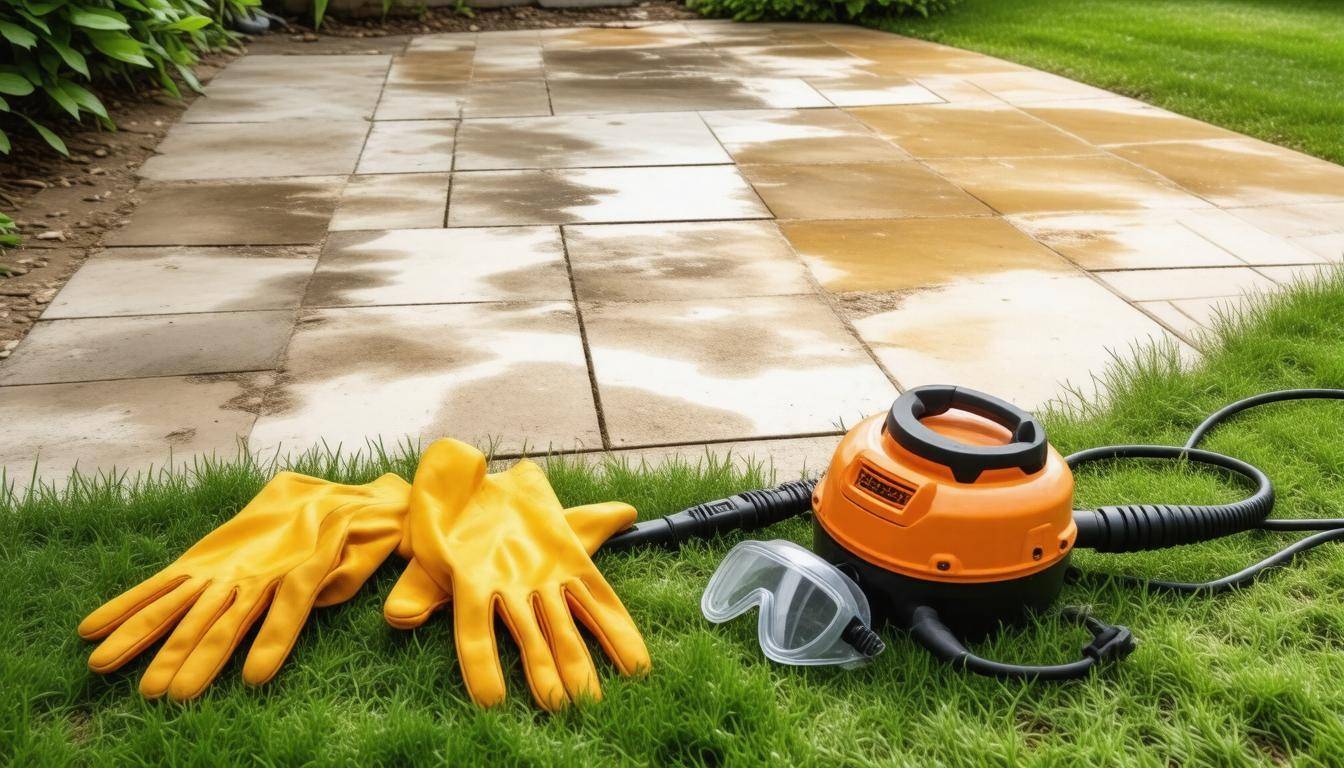
To safely tackle a power washing task, it's crucial to start with head-to-toe protection. You want your feet firmly planted, which is why opting for slip-resistant boots is non-negotiable. These boots not only provide traction on wet surfaces but also offer support against wear and tear, ensuring your comfort during long hours of work. Imagine standing on slick concrete without them – a recipe for an unfortunate slip!
Next up are gloves. Power washing often involves not just water but various chemical cleaners that can be harsh on skin. A good pair of gloves acts as a barrier, protecting your hands from both the high-pressure spray and the potentially harmful substances used in cleaning. It’s worth investing in quality gloves that give you dexterity while keeping your hands safe.
Safety goggles are also vital. As you blast away dirt and grime, debris can easily get dislodged and fly into your eyes. This isn’t just a minor inconvenience; it can cause serious injury if you're not careful. A solid pair of goggles will safeguard your vision against splashes and particles, ensuring you stay focused on the job at hand.
The loud roar of a power washer can exceed 85 decibels – comparable to the noise level of heavy traffic or a lawnmower. This isn't just background noise; prolonged exposure can lead to hearing damage over time. Therefore, consider wearing earplugs or noise-canceling earmuffs. These simple additions can drastically reduce the risk of hearing loss while allowing you to concentrate on your work without distractions.
What many tend to overlook is the importance of respiratory protection when using cleaning agents during power washing. Some chemicals release fumes that can be harmful if inhaled, which is especially significant for individuals with sensitivities or existing respiratory issues. Wearing a mask ensures that you're not breathing in any noxious vapors, providing peace of mind as you work through your tasks.
Surprisingly, many neglect this safety gear during service calls or DIY projects. However, investing a small amount of time and money into protective equipment can prevent long-term health consequences down the road. You wouldn't drive a car without a seatbelt—don’t approach power washing without proper gear.
Now that you're suited up and prepared to protect yourself from accidents and health risks, it’s essential to explore the tools and machines that will help make your cleaning tasks more effective.
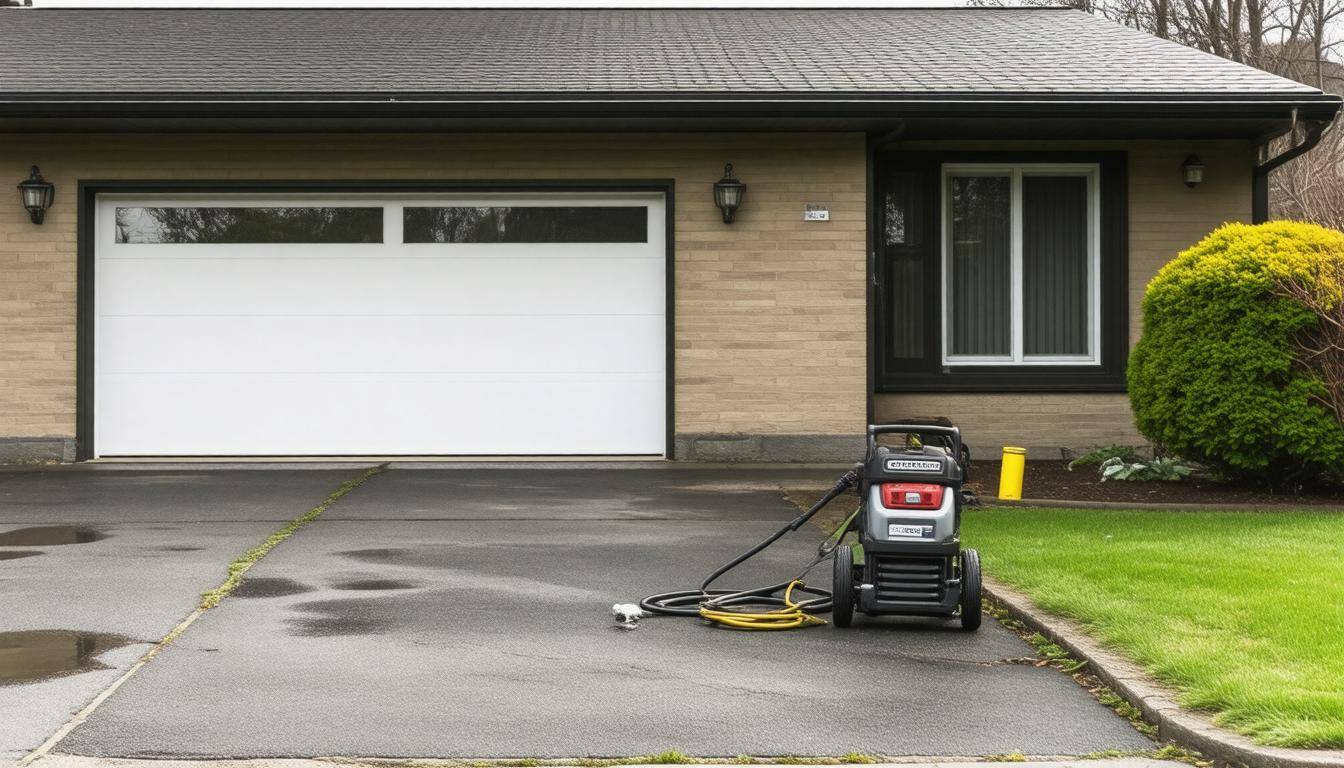
When venturing into pressure washing, understanding the tools at your disposal is vital. This isn't about just picking up the first power washer you see; it’s about selecting one suited for your specific tasks. For instance, a power washer with a pressure rating of around 1,500 PSI is typically sufficient for light cleaning tasks like washing sidewalks or patio furniture. However, for heavier jobs—like blasting grime off a concrete driveway—you’ll want something more robust, ideally clocking in at around 3,000 PSI.
| Type of Surface | Recommended PSI |
|---|---|
| Decks and Fences | 500-1,500 |
| Concrete Driveways | 2,500-3,000 |
| Cars | 1,200-1,900 |
| House Siding | 1,300-1,600 |
Beyond pressure ratings, consider electric versus gas-powered models. Electric power washers are often safer and more user-friendly, making them ideal for beginners tackling smaller projects. They're quieter too, which is an advantage in residential areas where noise might be an issue. Meanwhile, gas-powered models excel for bigger projects that require more power and flexibility; they don't need a nearby outlet and can handle larger areas more efficiently. If you’re planning on deep-cleaning your patio or tackling oil stains on your garage floor, going gas could save you time and hassle.
Despite their advantages, power washing comes with responsibility. Using the wrong equipment or improper settings can lead to unwanted results like scarring softer surfaces or causing harm during operation. Proper selection influences both your cleaning outcomes and overall safety.
After selecting the right equipment, mastering the correct techniques for handling it is essential for achieving optimal results on every job.

You might not realize it, but how you handle a power washer can make all the difference in accomplishing your task without risking injury.
When you begin, it’s crucial to remember that using both hands to grip the wand allows for greater control and stability. Imagine yourself as an artist wielding your brush—balance is key to creating a masterpiece.
Start by positioning yourself at least six feet away from the surface you're cleaning. This distance provides a cushioning effect as you learn how the pressure feels while safely gauging if adjustments need to be made.
As you build your confidence, gradually move closer to the target surface while monitoring how the spray interacts with it. Adjust both your stance and balance carefully; firm footing will help prevent slips or falls caused by unexpected recoil from the machine's powerful jets.
Imagine treating your power washer like a garden hose equipped with exhilarating jet-like force; would you aim it at someone? The same principle applies here: always direct the nozzle downward or away from your body.
This protects you from unintentional sprays that could lead to injuries or accidents. When changing attachments or nozzles, ensure the machine is completely turned off first—this simple habit can avert potentially dangerous situations.
Interestingly, mishandling such equipment can lead to severe injuries. Did you know that more than 6,000 people find their way to emergency rooms annually due to accidents linked to power washing? Keeping this statistic in mind underscores how critical adherence to these safety protocols is during use.
As safety becomes second nature through mindful practice, let’s shift our focus towards understanding how our actions affect the surrounding environment.

Power washing isn't merely about achieving that pristine look—it's also a matter of environmental accountability. When we discuss eco-friendly practices, it becomes clear that the choice of cleaning materials and methods can significantly impact our surroundings.
Using biodegradable detergents is one of the simplest yet most effective steps you can take to minimize harmful runoff. These eco-friendly cleaners break down more easily in the environment compared to traditional chemicals, reducing their potential harm to plants, animals, and local waterways.
Another essential aspect to consider is wastewater management. Many local regulations stipulate the necessity of capturing and containing wastewater produced during power washing tasks. This precaution is vital in preventing contaminants from reaching storm drains, which can lead directly into freshwater ecosystems. Implementing a vacuum recovery system allows for efficient collection of wastewater, ensuring that you leave no toxic trace behind after your cleaning job.
A staggering statistic from the EPA states that one gallon of soapy water can pollute up to 500 gallons of clean water! This fact underscores the importance of conscientious waste management practices when power washing.
While maintaining a focus on environmental safety, it's easy to overlook common hazards present during power washing itself. Understanding these risks ensures that you're protecting nature while prioritizing your safety as well. Always wear appropriate gear, such as gloves and eye protection, as high-pressure water can lead to injuries if proper precautions are ignored. Additionally, ensure your work area is clear of obstacles and check for electrical wiring before starting any outdoor cleaning.
By embracing these safety measures, you not only preserve the environment but also create a safer working space for yourself. As we shift gears, let’s further investigate the specific dangers that might arise during power washing and how best to mitigate them.
Hazards are always lurking when using powerful equipment like pressure washers. Understanding these potential dangers plays a critical role in ensuring your safety and the protection of your property. One of the most significant risks stems from slips, trips, and falls. Wet surfaces can turn into hazardous environments almost instantly. When pressure washing, it’s important to always clear paths of debris and ensure that all surfaces are safe before stepping onto them.
I recall a time when I was rushing through a job and stepped on a slick patch of wet concrete; it nearly sent me tumbling! Now, I always take the necessary time to scout the area before getting started.
Keeping your work area tidy is key; remove any loose items such as hoses, tools, or furniture that may obstruct your path. Additionally, it’s wise to wear slip-resistant footwear. This added layer of security can make a significant difference in preventing accidents. Safety remains paramount—not only for you but also for anyone nearby who might unintentionally step into your workspace while you're rinsing away dirt.
Alongside slipping risks, another major hazard comes from high-pressure injuries that can leave lasting damage.
High-pressure water can cause serious skin lacerations; it’s important never to aim the washer at anyone—including yourself! This is something I learned during my training. A fellow technician once aimed the pressure washer in jest toward his friend, thinking it would just make a splash. The result? A nasty cut that left us all shaken up! Always remember, the pressure is far more formidable than it appears on the dial.
“I thought the pressure was low enough for cleaning my car, but it skinned the paint off in seconds,” a local homeowner once shared about their disappointing experience. This serves as a reminder that misjudging pressure settings can lead to unexpected damage—not just to your vehicle but also to surfaces like siding or wood.
Knowing how to prevent hazards is crucial; however, it’s equally important to be aware of protocols for unexpected incidents should something go awry.
In any profession involving machinery or potentially dangerous situations, having an emergency protocol can save lives. Make sure you know where first-aid kits are located and how to access them quickly. Ensure all personnel involved in power washing jobs are educated on safety measures, including when to call emergency services.
Prepare for unexpected incidents—this means having contact information for medical assistance readily accessible and informing everyone about the right steps to take in case of an accident. Regularly review these protocols and have practice drills if necessary; this way, you’ll feel more confident and equipped should an emergency occur.
Recognizing these common hazards paves the way for understanding what actions to take if something unexpectedly goes wrong. It’s vital to be prepared for any situation while operating machinery effectively.
Being prepared for emergencies means knowing the steps to take if something goes wrong while pressure washing. As soon as an accident happens, like someone getting hurt or a piece of equipment malfunctioning, your immediate reaction can make a big difference in the outcome.
For example, if someone gets injured, the first action should be turning off the power washer immediately. It’s important to remain calm and apply first aid as necessary—whether it’s cleaning a simple scrape or addressing a more serious injury like water getting injected under the skin from high pressure. In these situations, don’t hesitate to seek medical help quickly.
Part of being prepared also includes having certain resources at hand.
Keeping phone numbers for emergency services and Poison Control on your phone or pinned up somewhere visible is always a wise choice. This way, when the unexpected occurs, you’re not scrambling through contacts. You’ll have those critical numbers ready without wasting precious moments.
A local technician once shared a warning that has stuck with me: “Power washing near electrical outlets is risky. Always cover outlets with watertight seals but avoid power washing entirely around exposed wiring.”
The importance of this caution cannot be overstated—water and electricity are a hazardous combination. Familiarize yourself with emergency shutdown procedures, especially concerning electrical components and cables nearby. Knowing how to quickly disconnect your equipment can prevent more severe accidents from occurring.
Inspired by these experiences, I want to emphasize that knowledge is key during emergencies.
If at any point you feel uncertain about handling a situation on your own, remember that it's perfectly acceptable to call for professional help. The experts at Gilbert Power Wash are fully trained and equipped to manage all aspects of power washing safely and effectively, giving you peace of mind.
In your journey towards effective cleaning, keeping safety precautions in mind ensures not only a successful job but also protects everyone involved. Stay informed and proactive about safety for a worry-free experience.
Gilbert Power Washing
225 S Val Vista Dr
Gilbert, AZ 85296
(480) 781-4565
info@powerwashgilbert.com
Arizona Service Areas:
Gilbert • Phoenix • Scottsdale • Paradise Valley • Fountain Hills • Tempe • Chandler • Mesa • Queen Creek • San Tan Valley • Apache Junction • Gold Canyon
GILBERT POWER WASH | POWERWASHGILBERT.COM | COPYRIGHT © 2026