
When it comes to keeping your outdoor spaces looking their best, power washing stands out as one of the most effective ways to tackle dirt and grime. You might think of it as a superhero for your surfaces, but not all heroes wear capes—some wield high-pressure jets! Whether you're dealing with a dingy driveway, a faded deck, or stubborn mold on your siding, knowing how to clean different surfaces properly can make all the difference. With just the right techniques and equipment, you can protect your space while achieving impressive results. Don't worry; we've got you covered with essential tips and tricks for safe and effective power washing tailored specifically to the needs of various materials. Let’s dive in!
Different surface types require tailored power washing techniques to ensure effective cleaning without damage. For example, high-pressure washing is ideal for concrete driveways and patios, while soft washing is recommended for delicate materials like roofs and siding to avoid any risk of structural harm.

Power washing relies on the combination of high-pressure water and effective cleaning agents to remove stubborn dirt and grime that tends to cling to exterior surfaces. With a pressure range commonly falling between 1,300 and 4,000 PSI (pounds per square inch), this method can tackle various materials. Knowing how to navigate this power is essential for successful outcomes.
PSI refers to pounds per square inch, which reflects how much force the water is delivering when it hits the surface, while GPM stands for gallons per minute, indicating the volume of water being released. Think of it as watering your garden; it’s not just about how hard you’re spraying the hose but also how much water comes out.
Much like cooking, using too much heat or too little water can lead to an unsatisfactory result; in power washing, getting the balance of PSI and GPM right ensures your cleaning job is both effective and safe.
For harder surfaces like concrete driveways or brick walls, a higher PSI effectively lifts tough stains. However, using excessive pressure on fragile materials such as wood siding might lead to peeling paint or gouging. The nuance of power washing lies in understanding the characteristics of the surface you’re working on.
Thus, choosing the right equipment becomes critical in ensuring not only cleanliness but also preserving the integrity of your surfaces.
Selecting the right power washer can fundamentally change your cleaning experience. For instance, opting for a power washer designed for light-duty tasks usually falls within the 1,300 to 2,000 PSI range—perfect for washing cars or small patios. If you have heavier-duty tasks ahead, like cleaning large commercial properties or removing graffiti from a wall, investing in a model with over 3,500 PSI may be necessary.
Additionally, consider exploring different nozzle types as they significantly impact both cleaning effectiveness and safety. A narrow nozzle creates a concentrated jet of water perfect for stubborn stains but poses a risk to delicate surfaces. Conversely, wider nozzles provide broader coverage and gentler cleaning capabilities, making them ideal for softer materials.
With a solid grasp of these foundational elements, you can better prepare for efficient operations by selecting appropriate tools and techniques tailored to your specific needs. Let's transition now into examining the machinery and methods that will enhance your cleaning efforts.
Choosing the appropriate equipment lays the groundwork for effective power washing, but it’s how you use that equipment that makes all the difference.
Electric and gas-powered pressure washers each have their strengths and are suited for varying tasks. For example, gas-powered washers pump out higher PSI (pounds per square inch) and GPM (gallons per minute), making them ideal for expansive outdoor jobs like cleaning driveways or commercial spaces. Meanwhile, electric washers excel in smaller areas, such as indoor spaces or patios, where a gentler approach is sufficient. Having both types allows flexibility and efficiency in your cleaning tasks.
Just having the right equipment isn't enough; employing proper techniques can elevate your cleaning game significantly. Always start at a lower pressure setting to get a feel for each surface and prevent any unintended damage. Think of it like starting with a gentle touch before applying more force—you wouldn’t smash a delicate porcelain cup while washing it, would you?
For general-purpose cleaning, I recommend using a 25-degree nozzle. It provides a balanced spray that will tackle most surfaces without causing harm. Once you've assessed the stubborn stains that need extra attention, make the switch to a 15-degree nozzle for those tough spots. This nozzle narrows the spray, increasing pressure and helping lift difficult grime without overexerting yourself.
"The right technique paired with sturdy equipment enables you to clean efficiently while preserving the integrity of the surfaces you're working on."
Understanding surface types is crucial when applying these techniques. For instance, soft washing techniques are beneficial for fragile materials like shingles or painted surfaces; they utilize lower pressure combined with specialized cleaners to gently whisk away dirt without damaging anything beneath. Conversely, high-pressure cleaning is very effective on concrete or brick surfaces where robust durability counts.
Mastering these techniques not only improves your cleaning but also boosts the performance and longevity of your equipment, ensuring optimal results each time you engage in your power washing endeavors. As we continue, let’s explore how to effectively address exterior walls, another vital aspect of maintaining your property’s appeal and integrity.
When it comes to power washing, the type of surface you're working with can make all the difference in achieving strikingly clean results. As dirt and grime begin to build up on your exterior walls, you may feel overwhelmed by the task. However, armed with knowledge about the materials involved, you’ll find it’s quite manageable.
For instance, if your home sports vinyl siding, you'll want to use a medium pressure setting—typically around 1,500 to 2,000 psi—with a green 25-degree nozzle to lift away grime without damaging the siding material. In contrast, brick walls pose their own challenges; higher pressure settings can be appropriate for these surfaces, but it's crucial to maintain caution to avoid harming the mortar between bricks. Using too much pressure could end up eroding that delicate bond and lead to future structural issues.
Further complicating matters are homes with stucco or wood siding, which require unique techniques. Soft washing is often preferred for these surfaces, as it utilizes a lower pressure combined with specialized cleaning solutions to lift dirt without causing damage. Whether dealing with stucco's porous nature or the fragility of wood grain, tread carefully.
Now that we understand the types of walls we might encounter, let’s discuss technique. The first rule of thumb is to always start washing from the bottom and move upwards in a sweeping motion.
This may seem counterintuitive; however, by starting at the bottom, you prevent dirty water from running down over freshly cleaned areas above. After applying your cleaning solution, rinsing from the top down ensures even removal without drenching any infrastructure behind the walls.
Pay attention to hard-to-reach spots such as corners or areas around windows and doors—these might need some extra cleaning love for that polished look. Regular maintenance is essential; it not only enhances appearance but also contributes significantly to overall property health.
Remember: regular power washing isn’t just for aesthetics; it’s about protecting your investment and extending the lifespan of your siding materials.
With each thorough wash session you engage in, you’re playing a vital role in maintaining your home's integrity against mold growth and weathering effects caused by neglect. So grab that power washer confidently; it’s a tool that can turn any dull wall back into a sparkling centerpiece of your home!
As we consider the diverse surfaces outdoor structures present, it's important to shift our focus toward more specialized cleaning methods tailored specifically for concrete and brick surfaces.

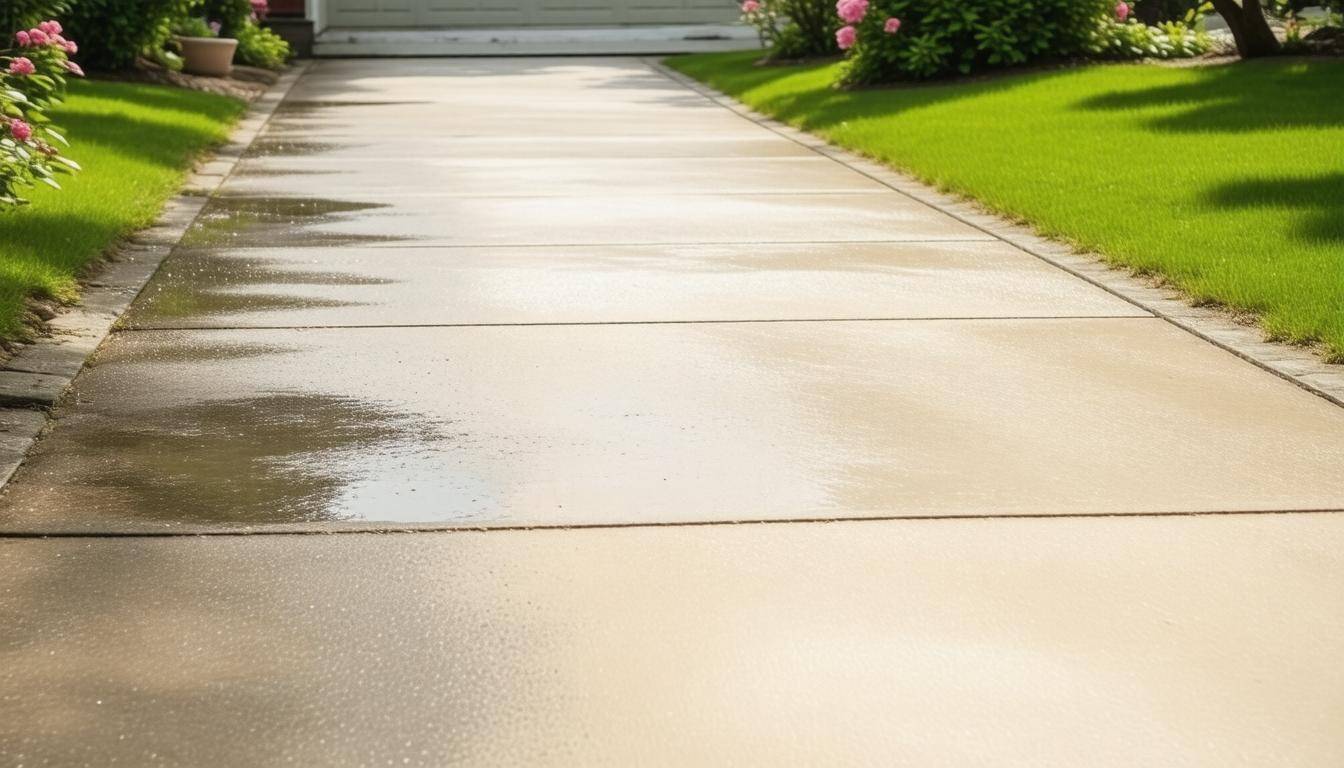
Concrete driveways, sidewalks, and brick patios often bear the brunt of grime, oil stains, algae, and dirt buildup. These surfaces seem to attract messes, showing every spill and stain in stark contrast to their original appearance. The solution? Effective power washing that revives these surfaces, revealing their former glory without the hassle of scrubbing away stubborn stains manually.
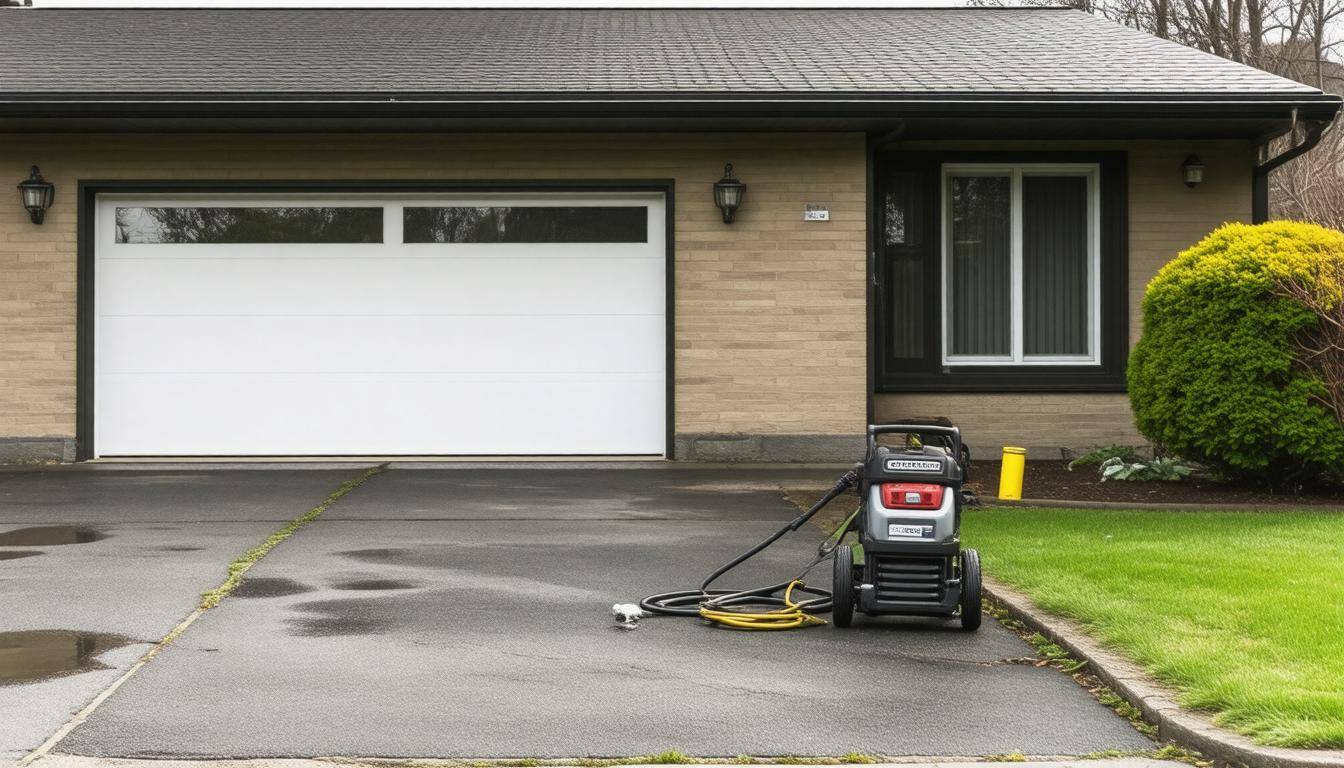
To tackle this cleaning task effectively, having the right equipment is paramount. Using a high PSI machine—around 3,000 to 3,500 PSI—is essential for achieving impressive results in tough outdoor conditions. Incorporating a surface cleaner attachment into your setup spreads out the power of water evenly across a wide surface area, allowing for uniform results without leaving unsightly streaks behind. However, keep the nozzle at a safe distance from the surface; being too close can inadvertently etch or damage both concrete and brick.
For patterned bricks, lower the pressure slightly. Intricate designs can be delicate, and while you want them clean, preserving their charm is equally important. Finding that balance ensures cleanliness without compromising aesthetics.
After preparing your equipment, start by clearing any loose debris from the area; even a piece of gravel can leave marks if pushed into the surface under high pressure. Next, wet down the area; this will help loosen tough stains and prepare them for cleaning.
Once you've started washing, always keep your movements fluid and methodical. Begin at one end—perhaps a corner of your driveway—and work towards an exit point so you don’t trap yourself in an area covered in dirty water. Move the power washer in overlapping strokes to ensure full coverage without missing spots.
Addressing oil stains specifically requires extra attention. Pre-treat these areas with degreaser before using your power washer. Allow a few minutes for the cleaner to work its magic; this makes it easier for the power washer to lift stubborn stains off once you bring in the heavy artillery.
After completing your wash, assess the results. Take a moment to survey what you’ve accomplished before packing up your equipment. Often, homeowners find they could benefit not just from cleaning but also from sealing their concrete and brick surfaces afterward.
Sealing helps prevent future staining and maintains that fresh look longer than simply cleaning alone. In Gilbert's unique climate conditions—where elements like sun and moisture can accelerate wear—it becomes all the more significant.
By thinking ahead about maintenance strategies and protective measures, you set yourself up for long-lasting results. Next, we’ll explore techniques tailored specifically for outdoor wooden structures.
When it comes to power washing wooden surfaces like decks and patios, a gentle yet effective approach is essential for maintaining their beauty and longevity. Capturing that perfect balance between cleanliness and care should be your goal. One noteworthy aspect of power washing these types of surfaces is the material itself; wood, being softer than concrete or brick, can splinter or become damaged if subjected to high pressure.
Begin by using a lower pressure setting of 1,300-1,600 PSI—this ensures the wood fibers remain intact while effectively removing dirt and mildew. A fan tip nozzle with a 40-degree angle works wonders as it disperses water over a wider area, significantly decreasing pressure on the wood surface. However, I'd always recommend testing this on a small, inconspicuous area first to assess any unforeseen reactions. Take your time; making these adjustments will lead you towards achieving the best results without risking damage.
With the right pressure settings established, it's important to focus on your technique.
Maintaining proper technique during power washing can make all the difference in achieving that refreshed appearance. Aim to keep a consistent distance of at least 2 feet from the surface while washing; this helps maintain an even distribution of water pressure across the wood. Using sweeping motions rather than staying in one spot prevents gouging and provides a more uniform clean. Think of this as painting – you wouldn’t want heavy strokes in one area and lighter ones in another; consistency is crucial.
Pro Tip: Always wash with the grain of the wood rather than against it. This technique minimizes the risk of damage while keeping that beautiful wooden texture intact.
As you continue this careful process, don’t rush; patience here can yield stunning results. Sweeping might feel tedious at times, but it significantly increases the potential for better cleaning outcomes compared to just blasting away dirt haphazardly.
However, sometimes even the best techniques struggle against tough stains. It's time to investigate specific strategies and solutions designed to tackle those particularly stubborn marks left on your beloved wooden surfaces.

When it comes to power washing surfaces, understanding the unique characteristics of each stain is crucial for achieving optimal results. For instance, oil stains on concrete can be particularly daunting because they seep deep into the porous material, but they're not impossible to remove.
The key lies in using an effective cleaner—a degreaser. Applying it generously and allowing it to sit for about 15 minutes breaks down the oil molecules. This waiting period may seem long, but it's vital as it engages with the surface and maximizes its effectiveness. Once you’ve allowed enough time for the degreaser to work its magic, you’ll want to follow up with a pressure washer set at a moderate setting to gently rinse away the sludge without damaging the concrete.
"Patience is key; let your cleaning solution do the heavy lifting."
Mildew and mold on wooden surfaces also require special treatment since aggressive pressure washing can strip the wood fibers and cause lasting damage if not handled carefully. Instead of applying harsh chemicals right away, consider mixing a solution of water and oxygen bleach. It’s important to scrub lightly with a soft-bristle brush initially. This gentle approach allows for better penetration of the solution while protecting the integrity of the wood. After scrubbing, simply rinse thoroughly with clean water—a process that should restore your wood's natural beauty without any harmful effects.
Scheduling regular maintenance will prevent these tough stains from becoming overwhelming challenges.
Furthermore, it’s crucial to adopt different strategies based on where the stains occur. Paint splatters, for example, are another common nuisance that can benefit from pre-treatment solutions specifically designed for paint removal. You might consider using a commercial paint remover that is safe for your surface type. Apply this solution directly onto the paint spots and allow it to sit for the recommended duration before proceeding with pressure washing. By ensuring you read labels and follow instructions carefully, you’re setting yourself up for success.
Understanding these specific methods not only empowers you as a homeowner but enhances the cleanliness and curb appeal of your property after every wash. As we continue through this guide, let's take a moment to focus on best practices that prioritize your safety while using these powerful cleaning tools.
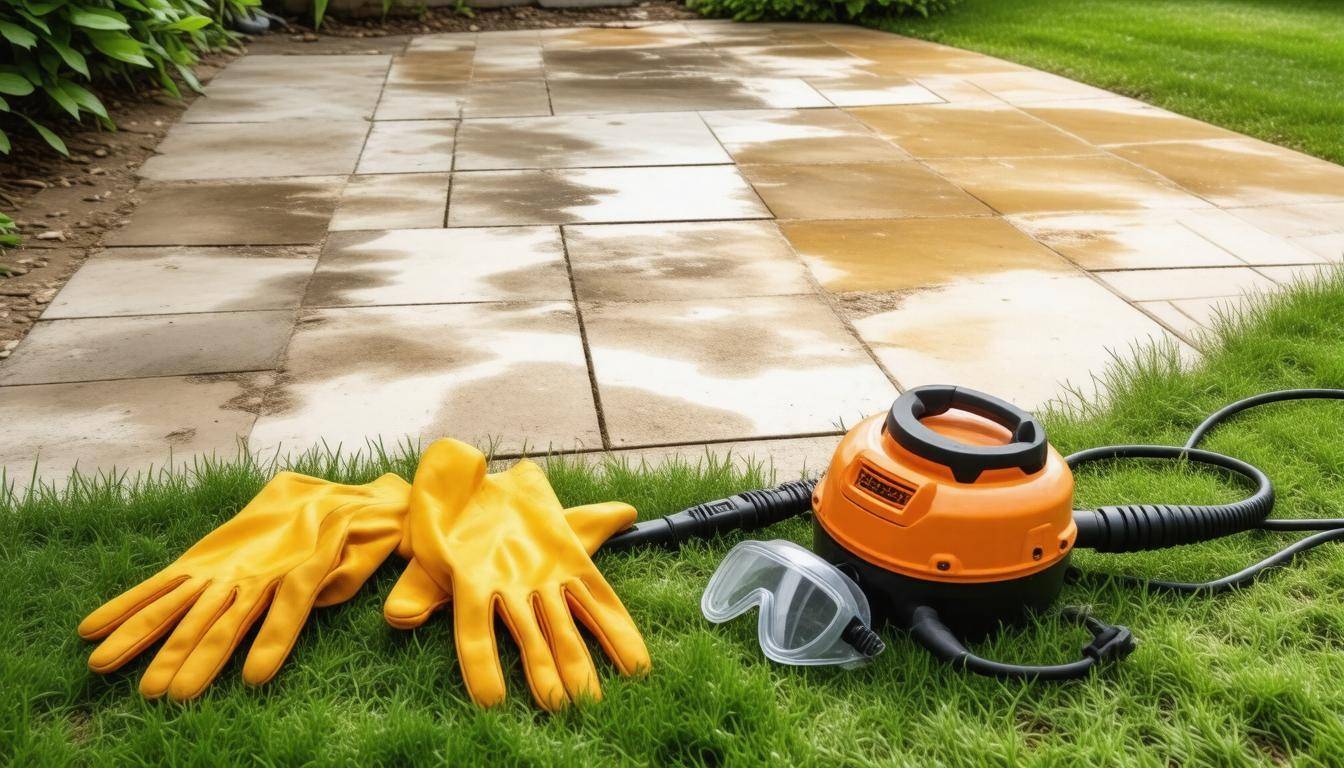
Ensuring safety while power washing is essential to prevent accidents and damage to surfaces; therefore, adhering to best practices is crucial. First and foremost, you should always wear protective gear at all times. This means sturdy gloves, impact-resistant goggles, and slip-resistant footwear. These items protect you from equipment mishaps and shield you from flying debris during the cleaning process.
Trust me — I learned this lesson the hard way after a rogue piece of dirt hit my unprotected eyes during a particularly aggressive wash.
As you become comfortable with wearing the right gear, it's critical to stay mindful of how you aim your nozzle.
Never aim the nozzle at people or pets. While it may seem fun to spray away dirt, you wouldn’t want to accidentally hit someone or something delicate. It’s also important to keep the spray away from windows and vents; shattered glass could lead to injuries or additional clean-up costs. When power washing near windows, approach those areas carefully using softer settings or gentle techniques.
Next on the list is checking your equipment for leaks and damages before use. Imagine starting your cleaning task only to discover a leak spraying water in all the wrong places! Not only does it create a mess, but you may end up damaging nearby surfaces with unintentional drips. An inspection takes mere seconds and can save hours of repairs later.
Moving up high? Let’s talk about ladder safety.
It's wise to avoid using ladders whenever possible. Instead, utilize extension wands designed for your pressure washer. These nifty tools allow you to reach high areas comfortably without having to balance precariously on a ladder while juggling equipment and cleaning solutions.
One winter, I took the plunge and invested in an extension wand for my own power washing needs, and it was a game changer.
By following these safety tips, power washing can be an effective method for maintaining your home's various surfaces. Not only do these precautions enhance your personal safety, but they also ensure that your power washing experience is seamless and efficient.
For professional services and expert handling of various surface types, don’t hesitate to contact Power Wash Gilbert. Your home deserves it!
In summary, prioritizing safety ensures not just a successful cleaning session but also long-term satisfaction with your power washing efforts.
Gilbert Power Washing
225 S Val Vista Dr
Gilbert, AZ 85296
(480) 781-4565
info@powerwashgilbert.com
Arizona Service Areas:
Gilbert • Phoenix • Scottsdale • Paradise Valley • Fountain Hills • Tempe • Chandler • Mesa • Queen Creek • San Tan Valley • Apache Junction • Gold Canyon
GILBERT POWER WASH | POWERWASHGILBERT.COM | COPYRIGHT © 2026